Amazon: £2 daily payments help protect rainforest, pilot project finds
Science
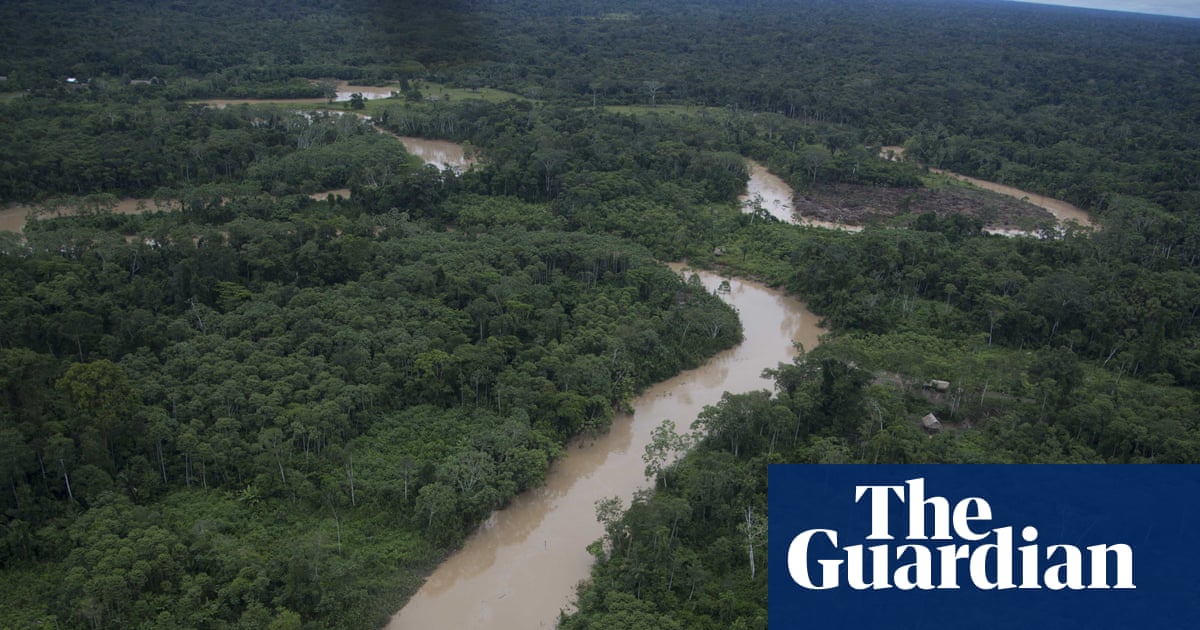
A two-year pilot that gave unconditional cash payments to Indigenous communities in the Peruvian Amazon has been linked to rainforest protection, according to an analysis from the University of Bath. The research adds evidence to a widening debate over whether direct payments can help sustain communities that safeguard globally significant ecosystems.
How the Pilot Worked
The UK-based charity Cool Earth ran the scheme, delivering six transfers of 1,032 Peruvian soles each — roughly £2 a day — to 211 people across three communities in Peru's Asháninka region, with no conditions attached. Recipients were free to use the money as they saw fit. Almost 90% of participants took up environmentally beneficial practices over the trial, researchers found, including collective reforestation, restoration of critical water sources and reductions in forest burning. Food insecurity also declined — a problem that can sometimes push forest communities toward logging or involvement in environmental crimes. The share of households unable to afford nutritious food dropped from 73% to 26%. Migration fell as well: the proportion of participants forced to leave home in search of work declined from 43% to 18%. According to the researchers, this enabled more people to stay and protect the forest. Dr Nick Langridge, a co-author of the report, said: “The findings suggest that when communities have greater security and autonomy, they are better able to protect the ecosystems they depend on.” A Growing Debate Over Cash and Conservation
Indigenous stewardship of the Amazon and other biomes — which sequester carbon, shelter biodiversity and deliver vital ecological services — is increasingly recognised as important. Yet that role is under mounting pressure as Indigenous lands face threats from miners, loggers, farmers and land grabbers. At the same time, young people in these often economically poor communities are increasingly exposed to the internet or drawn away to wealthier cities. How to sustain, encourage and reward Indigenous stewardship is a hot debate in the international aid and environmental community. Many earlier payment schemes carried conditions — such as Brazil's bolsa família, which requires child education commitments, or bolsa verde, which demands conservation activities. The authors say their project, drawn up with local women's groups, is the first to offer an unconditional basic income to an Indigenous community in the Amazon. Lead author Dr Neil Howard said: “All of this helps ethical conservation. The incentive to exploit or abandon land is diminished, and people are put front and centre with respect and dignity, which contrasts sharply with the colonial history of conservation and Indigenous policy.” To amplify the impact, the project offered a voluntary “cash plus” programme of community-led education on finance, conservation and climate change. Caveats and Open Questions
Other academics take a more cautious view of cash transfers' environmental effects, noting that comparable studies elsewhere have found payments can increase deforestation when recipients use the extra money to expand agriculture. In parts of the Amazon, cash is spent on motorbikes and cars, raising demand for more roads. There are also reports that Indigenous communities face greater exposure to drugs when they travel to cities to collect transfers. The report's authors acknowledge that broader research on the ecological impacts of unconditional basic income is needed. Their two-year study was small, covering little over 500 hectares (1,235 acres) of forest. They did not measure changes in vegetation or soil quality, nor account for any separate projects that might have influenced community behaviour. Despite these limitations, they say the early results have generated excitement across the cash-for-conservation network of civil society organisations. “Yes, this is an experimental pilot and and we could do with something much larger,” Howard said. “But this is very pioneering. My hope is that the trade-off between scale and innovation tips in this direction.”← Back to Science